Crittall Windows Restoration in Hertfordshire
Steel-framed Crittall windows are a defining feature of Britain's Art Deco era and a much-loved detail of 1920s–1950s homes, schools and factories across Hertfordshire. They look fantastic when in good order — thin sightlines, large panes, distinctive industrial character — but the same exposed steel that gives them their elegance is also their weakness.
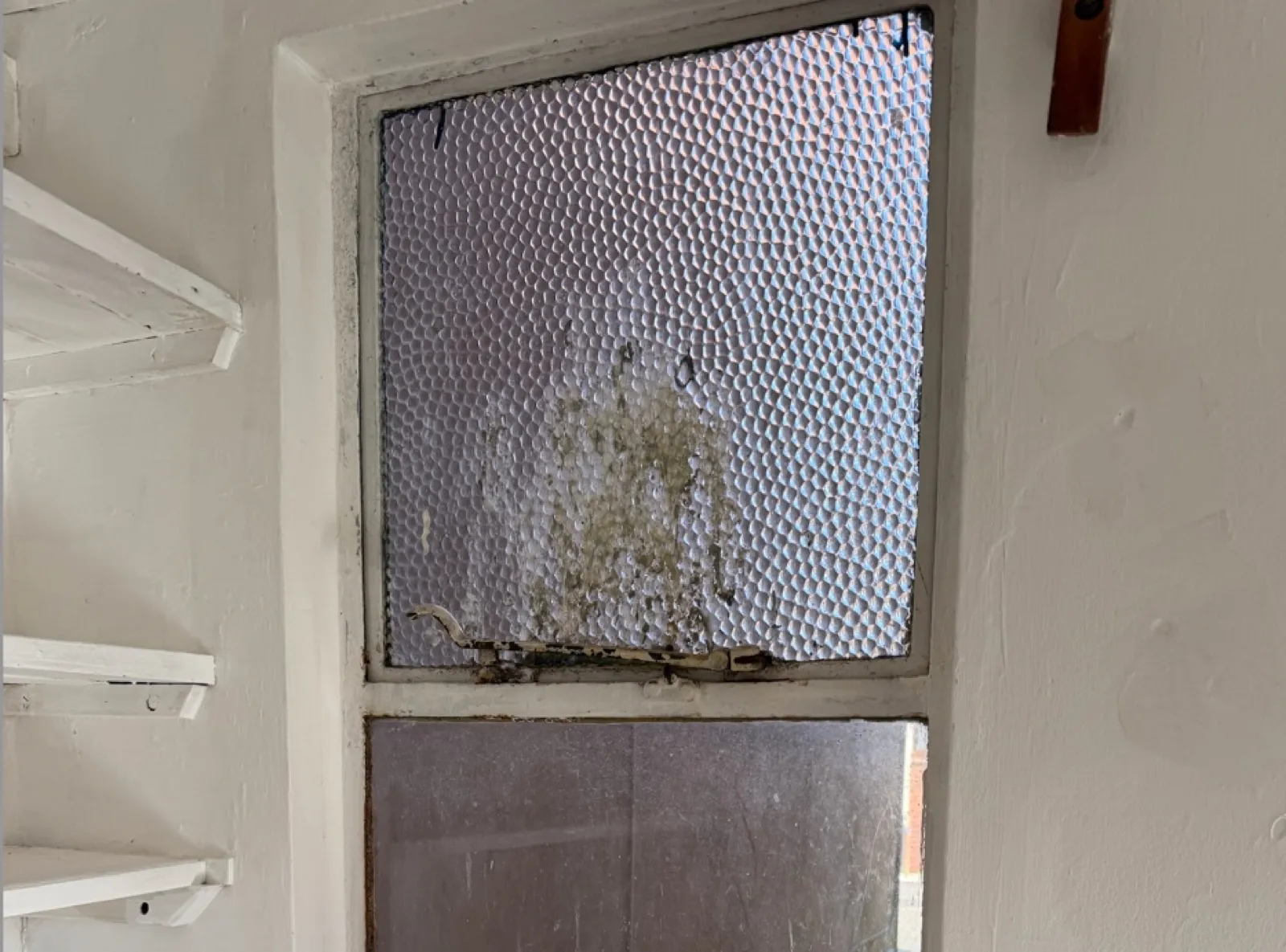
The Crittall in the photo above shows the four classic problems we see on almost every unrestored steel window: rust at the lower transom, condensation damage running down the frame, seized hardware, and failing original glazing putty. Left unaddressed, the rust expands the steel by up to seven times its original volume, cracking the surrounding plaster and ultimately compromising the frame.
What we restore
- Steel frames — rust stripped back to bright metal, treated with phosphoric rust converter, primed with zinc-rich primer, finished with two coats of high-build enamel.
- Glazing — original obscure / reeded / Georgian-wired panes carefully removed for re-bedding, or replaced like-for-like where cracked. We can also retrofit slim-line double glazing where the rebate allows.
- Putty / glazing seal — old failed putty raked out and replaced with traditional linseed putty (for authentic look) or modern silicone-bedded glazing (for longer life).
- Hardware — cockspur handles, peg stays, casement fasteners freed, de-rusted, lubricated and refinished. Period-correct replacements sourced where the original is too far gone.
- Draught-proofing — bespoke compression seals fitted to the rebate without altering the visible frame profile, eliminating the legendary Crittall draught.
- Surrounding plaster and reveals — condensation-damaged plaster cut back, treated and made good before paintwork.
Why steel windows rust (and how we stop it for good)
Original 1930s Crittall frames were finished in linseed-based primer over hot-rolled steel — durable when intact, but the moment paint film fails (typically at the bottom rail and at any hardware penetrations), moisture reaches bare steel and corrosion begins. From there it's exponential: rust traps moisture, paint detaches further, more rust, more paint failure.
Our restoration breaks the cycle by going back to clean metal:
- Mechanical removal of all loose rust and failing paint via wire wheel, abrasive disc and fine sanding.
- Chemical conversion of any residual surface rust using phosphoric acid converter — this turns iron oxide (rust) into a stable iron phosphate that won't continue to corrode.
- Zinc-rich primer applied immediately to the prepared steel — provides cathodic protection so any future paint film breach doesn't immediately start rusting.
- Two top coats of high-build enamel in the original colour, brush-applied to retain the slightly hand-finished look that suits the period.
Properly done, this protection lasts 20–25 years before maintenance is needed again.
Listed and conservation properties
Crittall windows are often a defining heritage feature of pre-war and Art Deco properties, and many planning authorities require like-for-like restoration rather than replacement. We work regularly on listed buildings and properties in conservation areas across Hertfordshire, retaining all original frames and glazing wherever possible. We can document the works for planning records if needed.
Crittall vs replacement aluminium "Crittall-style"
You'll see plenty of modern aluminium "Crittall-style" replacement windows on the market, and they're a perfectly reasonable option if your originals are beyond saving. But for most homes, replacement isn't necessary — even windows in the condition pictured above can be brought back to full working order at a fraction of the cost of replacement, with all the original character intact. Modern replacements never quite match the proportions and patina of the originals.
Our recommendation: restore where you can, and accept replacement only where the steel section itself is structurally compromised. Most of the time that means restoration.
Same craft, different metal
Although we're best known for timber sash window restoration, the same approach — assess, restore, finish to a higher standard than original — transfers directly to steel windows. The materials change (zinc primer instead of wood preservative; phosphoric converter instead of epoxy filler) but the principle is the same: fix the root cause, then finish properly.
If your steel-framed Crittall windows are showing rust, draughts, seized hardware or condensation damage, get in touch for a free assessment.
Get a free Crittall restoration quote
Covering all of Hertfordshire and adjoining areas. Photos via the contact form are perfect for an initial assessment.